When is the best time to visit Bacalar? Here is how weather, water color and crowds shift between the dry season and the rainy season, month by month.
Bacalar's Two Seasons
Bacalar moves to the rhythm of two broad seasons shaped by the tropical climate of southern Quintana Roo. The dry season runs roughly from November through April, bringing clear skies, lower humidity and long, sunny days that light up the Laguna de los 7 Colores at its most spectacular. It is the season most travelers prefer, and for good reason: conditions for swimming, kayaking, paddleboarding and photographing the lagoon tend to be the most reliable of the year.
The rainy season stretches from May through October and overlaps in part with the Caribbean hurricane season, which is considered active from June to November. That does not mean it rains all day or that a storm arrives every week; far more common are short, intense afternoon showers that cool the air before the sun returns. Even so, it is wise to keep an eye on the forecast and stay a little flexible if you travel during these months.
Understanding these two seasons is the key to choosing your visit well. There is no universally bad month to see Bacalar, but each period offers a different experience when it comes to weather, water color, prices and crowds.
Water Color and Clarity
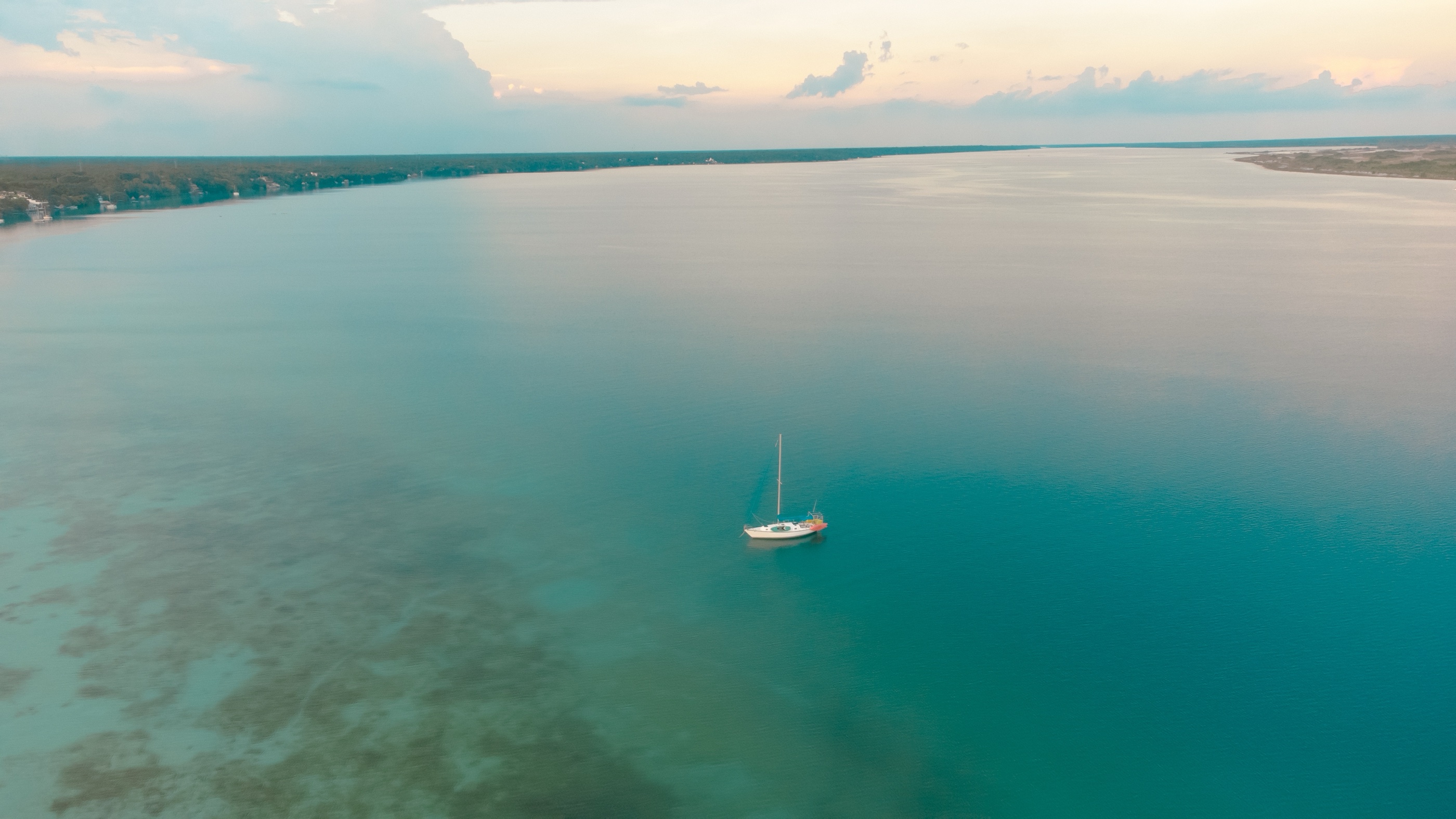
The spectacle of seven colors comes from a blend of factors: the lagoon's varying depth, its white sandy and limestone bottom, the angle of the sun and the freshwater fed by surrounding cenotes. When the sky is clear and the sun is high, the hues shift from an almost transparent aquamarine over the shallow edges to a deep, saturated blue in the deeper zones. That is why the dry season, with fewer clouds, tends to deliver the most vivid blues and the crispest photos.
During the rainy season the water is still beautiful, but an overcast sky briefly mutes the palette, since without direct sunlight the tones look grayer. After very heavy downpours, runoff from the jungle can stir up sediment and cloud the water near some shorelines for a day or two. It is a passing effect, and the lagoon usually regains its clarity by the following morning.
A good tip in any season is to plan water activities for the morning. The wind tends to settle at dawn, the surface turns to glass, and the overhead light around midday intensifies the blues. The deepest, most intensely colored water lies at the southern end of the lagoon, where the Laguna de los 7 Colores reaches its most striking tones.
Temperature, Rain and Crowds Month by Month
December through February brings the high season and the coolest, driest weather: warm days, pleasant nights and little rain. It is ideal for travelers escaping colder climates, though it coincides with the Christmas holidays and Mexico's Easter break, when Bacalar welcomes more visitors and prices climb. If you are after quiet, book ahead and try to avoid Mexican long weekends and public holidays.
March and April keep things dry and sunny, with temperatures rising as summer approaches. On weekdays and outside the Easter period, these are excellent months to enjoy the lagoon with fewer people. May marks the transition: heat and humidity start to build and the first afternoon rains appear, though there are still plenty of clear days.
From June through October the heat and humidity are noticeable and rain becomes frequent, mostly in the afternoon. This is the low season: there are fewer tourists, accommodations often offer better rates, and the jungle turns a lush, vivid green. In exchange, you should watch the hurricane season and accept the odd cloudier day. November closes the year as a lovely shoulder month, when the rains ease, the sun returns and prices have not yet peaked.
So, When Should You Go?
If your priority is seeing the lagoon at its most colorful, with stable weather and dependable sun, aim for the November-to-April window. Within that range, the first weeks of November and the months of March and early April offer a balance that is hard to beat: good weather, brilliant water and far less of the crowding you find during the Christmas peak.
If you are traveling on a budget, prefer a quieter atmosphere and do not mind the chance of rain, the low season from May to October has its own charm. The jungle is more alive than ever, the sunsets after a shower are unforgettable, and you will have many corners almost to yourself. Just plan with some buffer and consider travel insurance if you come during the most active part of the storm season.
Whatever the date, the southern end of the lagoon offers the deepest water and the most intense blues all year round. Living or staying in this area, away from the bustle and surrounded by jungle, lets you enjoy the Laguna de los 7 Colores at its finest hours, with the calm that only comes from waking up beside the water.
Frequently asked questions
What is the best time to visit Bacalar?+
The dry season, from November through April, is generally considered the best: more sun, less rain and the lagoon's colors at their most vivid. March, early April and the first weeks of November offer a great balance of good weather and fewer crowds.
Is it safe to travel to Bacalar in the rainy or hurricane season?+
Yes, thousands of people visit Bacalar between May and October. The norm is brief afternoon showers rather than constant storms. The Caribbean hurricane season is most active from June to November, so it is wise to follow the forecast, stay flexible with plans and consider travel insurance.
Which month has the most beautiful lagoon colors?+
The color depends mostly on sunlight rather than the calendar. That said, the dry, clear months of the high season tend to show the most vibrant blues. For the best tones, head out early: mornings usually bring calm water and ideal light for seeing and photographing the seven colors.
Live Bacalar front-row
Discover The Reserve, a luxury community in the south of the Lagoon of Seven Colors.
Discover the project